For premium fashion brands and independent designers, partnering with qualified high-end women’s garment production vendors directly determines your product reputation. Many buyers only compare unit prices during sourcing. However, uneven craftsmanship, unstable quality, delayed shipments and lack of compliance certifications often bring huge losses to luxury clothing lines. Knowing clear evaluation standards helps you filter suitable manufacturers and build a stable long-term supply chain.
1. Professional Craftsmanship & In-House Production Capacity
High-end garments require delicate workmanship that mass-market factories cannot easily achieve. Before cooperation, you need to confirm the factory’s internal production setup.
Can the factory handle complex high-end garment techniques?
Luxury womenswear often involves splicing, tailored cutting, fine embroidery and special finishing. Reliable vendors own internal pattern rooms, sewing teams and finishing workshops instead of outsourcing core processes. Factories relying on third-party subcontractors are more likely to cause inconsistent details on bulk goods.
2. Strict and Complete Quality Control System
Consistent quality is the core advantage of high-end apparel. A mature QC mechanism runs through the whole production flow.
Pre-production sample confirmation and bulk inspection standards
Formal suppliers will confirm tech packs, fit samples and pre-production samples strictly before mass production. They carry out fabric inspection, inline checking and final finished garment inspection. Without standardized QC links, size deviation, loose stitching and fabric defects will frequently appear in bulk orders.
3. Valid Certifications For Western Fashion Brands
Brands selling garments in Europe and North America face strict market access rules.
Compliance certificates for EU & US apparel market
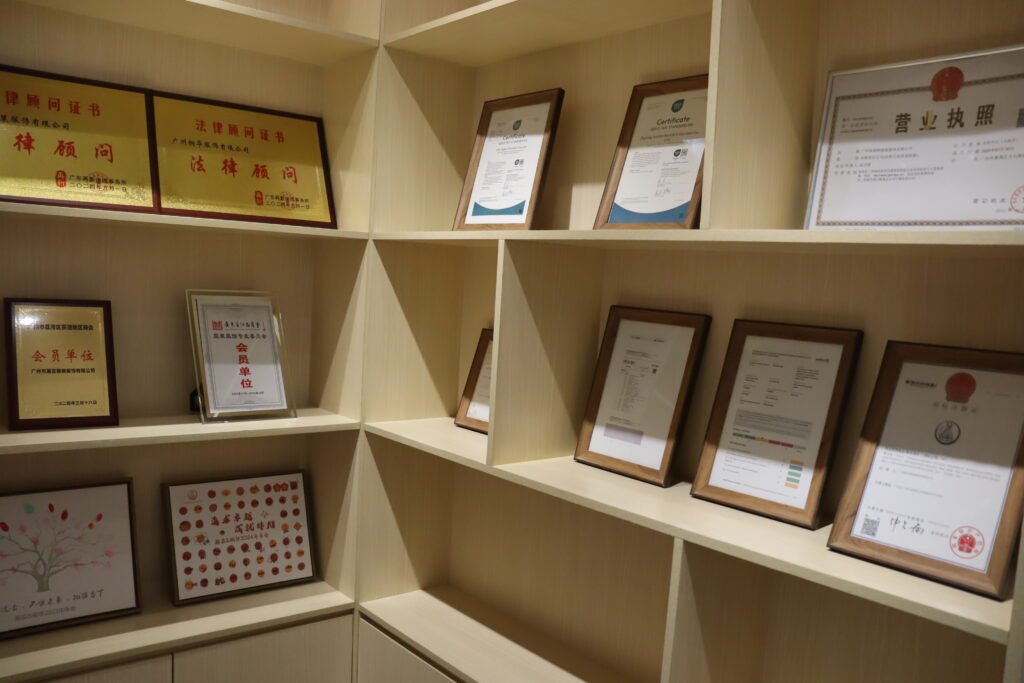
Ask vendors to provide authoritative certifications such as OEKO-TEX Standard 100, BSCI and ISO 9001. These credentials prove fabric safety and factory social compliance. Complete certifications avoid customs detention and greenwashing risks for your fashion brand.
4. Flexible Order Terms & Transparent Communication
Emerging premium fashion labels usually cannot place extremely large orders at the beginning.
MOQ policy for emerging premium fashion labels
Discuss minimum order quantity, sample charges and revision rules in advance. Trustworthy vendors maintain smooth communication throughout sampling and mass production. They actively update production progress and respond quickly when adjustments are needed.
5. Stable Lead Time & Reliable Logistics Arrangement
Fashion brands follow seasonal launch schedules. Any delivery delay may make you miss selling windows.
Discuss official production lead time, contingency plans for order peak seasons and cooperative logistics channels. Responsible garment vendors will evaluate production schedules realistically instead of promising unrealistic delivery dates to win orders.
Final Thoughts
Choosing high-end women’s garment production vendors is far more than a simple price comparison. Comprehensive evaluation of craftsmanship, quality management, compliance certificates, order policies and delivery stability helps fashion brands avoid common sourcing pitfalls. A professional garment manufacturer acts not only as a producer, but also as your long-term supply chain partner for sustainable brand growth.