Beyond Compliance: How Industry Certifications Define the 2026 B2B Supply Chain
2026 marks a critical inflection point for structural reshuffling in the global clothing B2B industry. The era of pure scale competition has ended, and the industry has fully entered a stage of “structural optimization competition.” Driven by global digitalization, consumption upgrading, and changes in supply chain patterns, the core demands of clothing B2B purchasers have undergone profound changes.
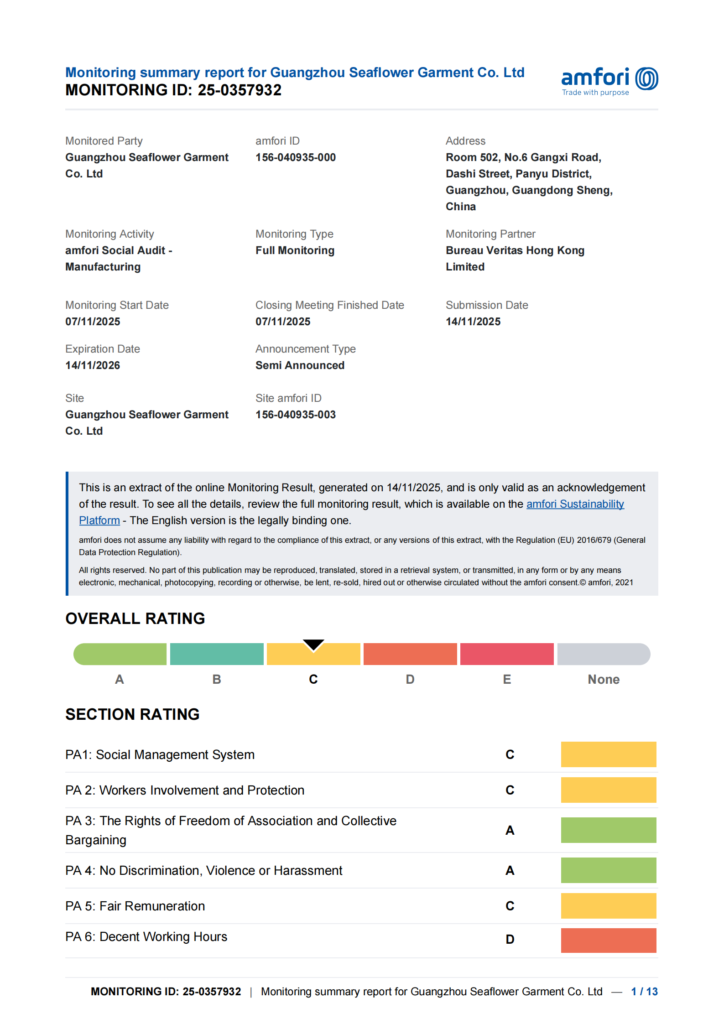
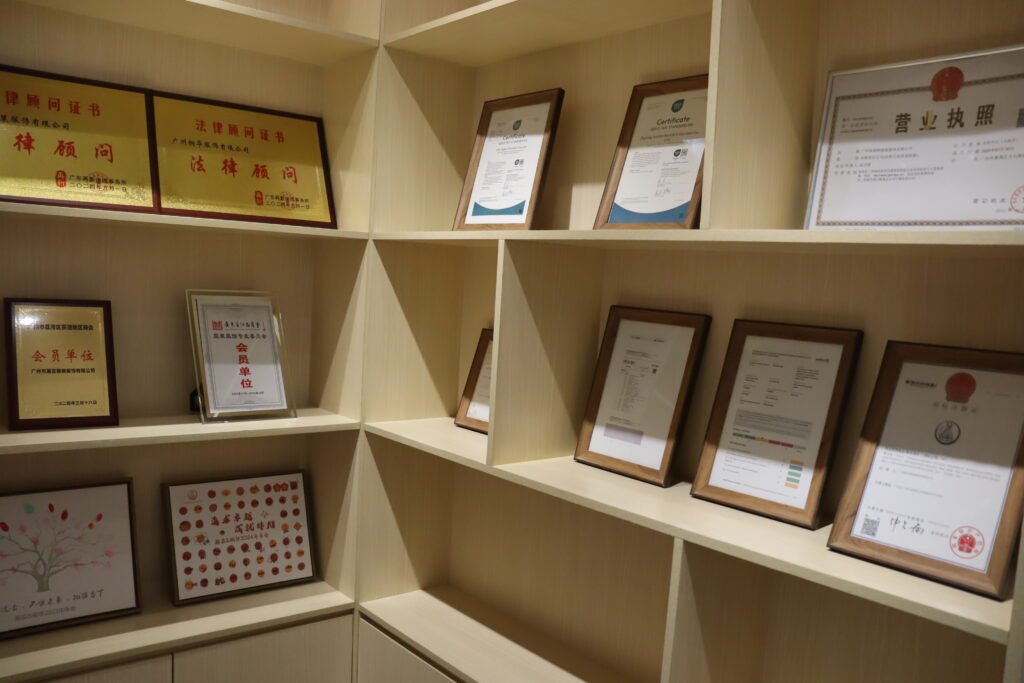
In this new landscape, Certifications are the key. Environmental protection, niche positioning, and customization—once considered optional value-added attributes—now rely entirely on certification to become rigid procurement standards. As a professional B2B women’s clothing manufacturer, Seaflower Garment deeply interprets these trends. We believe that Certifications are the “License to Operate,” helping global purchasers grasp market opportunities and build differentiated competitive advantages through verified quality.
According to industry research data, behind this massive market scale, the procurement logic is undergoing a fundamental transformation—from “pursuing the lowest price” to “valuing professionalism, transparency, and credibility.” The three major trends of environmental protection, niche, and customization are all underpinned by this shift, where Certifications provide the concrete proof of a supplier’s capabilities.
Environmental Protection: How Certifications Turn Concepts into Standards
In 2026, global ESG policies have moved from “publicity” to the “access threshold” stage. For international purchasers, environmentally friendly and sustainable procurement is no longer a choice, but a requirement enforced by law and consumer trust. Unlike the previous emphasis on vague “material composition,” current purchasers pay more attention to the traceability and certification of environmental protection materials. This trend is particularly prominent in European, American, and emerging middle-class markets.
Why Certifications are the New Market Access Threshold
1. Certification becomes a necessary condition
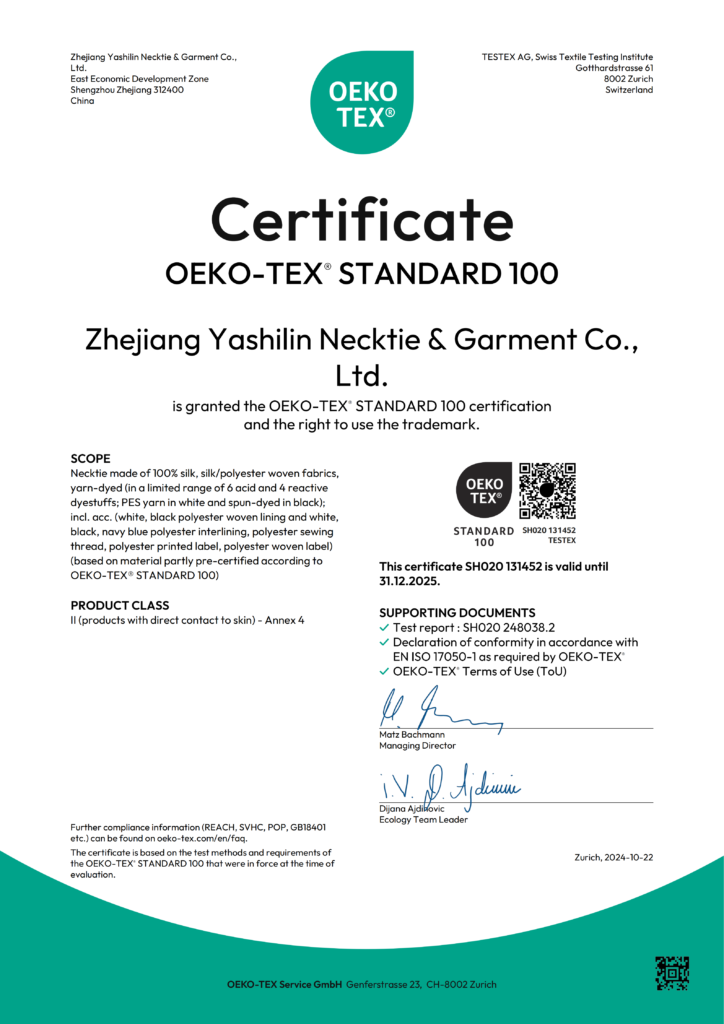
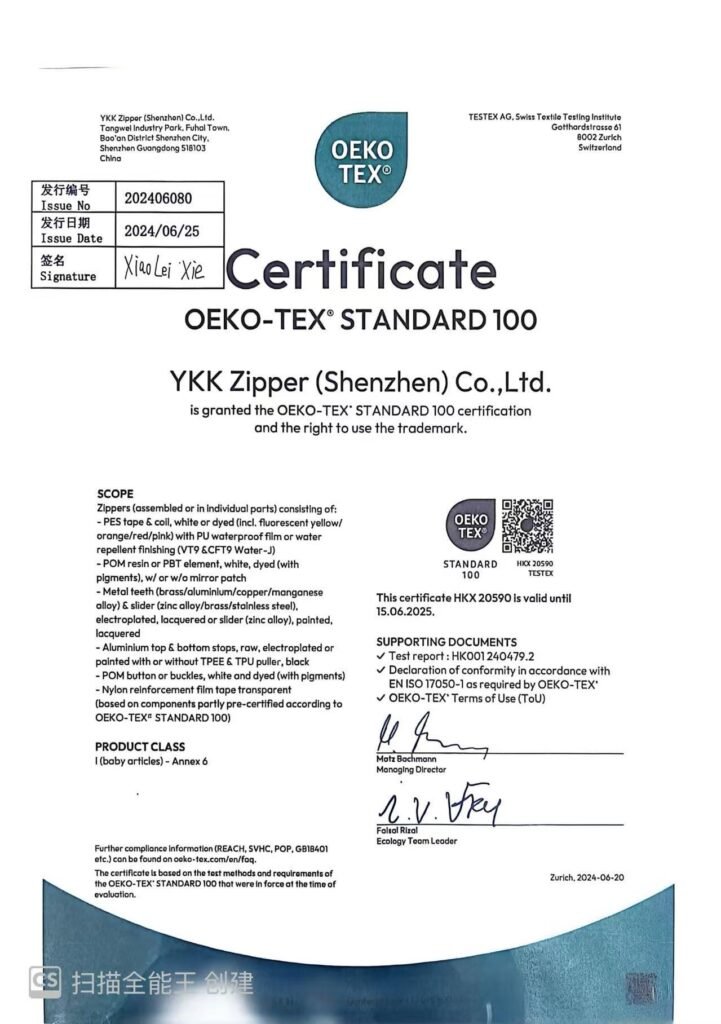
GRS (Global Recycled Standard), OEKO-TEX, and other environmental protection certifications have become the basic threshold for entering the international market. Purchasers will first screen suppliers based on whether they have a complete certification system when selecting partners. Without these documents, even high-quality products may be rejected at customs or by major retailers.
2. Demand for certified recycled materials surges
Recycled fibers such as rPET (recycled polyester), Tencel, and bamboo fiber have become mainstream choices. However, buyers can only trust these materials if they come with proof. Products such as GRS-certified rPET sportswear, OEKO-TEX Tencel home clothes, and BCI cotton basic T-shirts are in high demand because their sustainability is verifiable.
3. Carbon footprint tracking is valued
International brands and large retailers have begun to require suppliers to provide carbon footprint tracking links. Green supply chain management capabilities, proven through documentation and certification, have become an important part of the supplier’s comprehensive strength evaluation.
Procurement Suggestions & Seaflower Garment’s Solution
When purchasing environmentally friendly clothing, purchasers should focus on three aspects: first, confirm the authenticity and completeness of environmental protection certifications; second, pay attention to the traceability of materials, prioritizing suppliers that can provide material source tracking reports; third, balance environmental protection attributes and production costs.
Seaflower Garment has completed the layout of sustainable supply chains. We hold GRS and OEKO-TEX full-series certifications, which means we can provide B2B purchasers with one-stop solutions for environmentally friendly clothing—from recycled fiber selection to mass production—all while supporting the provision of complete carbon footprint tracking documents. With Seaflower, your green claims are legally defensible.
Niche Market: Certification as a Trust Anchor in the Stock Game
Against the background of global clothing market consumption differentiation, the “big and comprehensive” product model is gradually losing its competitiveness. Niche markets with clear positioning and precise crowd coverage have become new growth engines. However, entering these markets requires a high degree of trust. Certifications act as the anchor of trust for niche products, ensuring that specialized items meet the safety and quality standards of specific regions or demographics.
Building Trust in Regional Markets with Certifications
1. Segmentation of product scenarios
Niche products focusing on specific scenarios—such as light outdoor, urban commuter wear, dresses, and coats—are growing rapidly. For these specialized items, safety is paramount. Only then can they gain trust in European and American markets.
2. Regional characteristic products are popular
Products adapted to regional cultural characteristics and climate needs have obvious competitive advantages. However, entering markets like the Middle East (Abaya series) or Latin America requires compliance with local safety regulations. Certifications ensure that your products can legally enter and be sold in these diverse markets.
3. Content-driven product selection
Niche products are often highly content-transmittable. Their functional and stylistic characteristics can be easily displayed through short videos. However, in an era of “trust-based consumption,” showing your product’s certification in these videos adds a layer of credibility that generic products cannot match.
Procurement Suggestions & Seaflower Garment’s Solution
Purchasers should pay attention to “scenario matching” and “content expressiveness” when deploying niche products. It is recommended to conduct in-depth research on target market consumption habits and select niche categories with clear audience positioning.
Seaflower Garment focuses on women’s clothing R&D. We ensure that all our products meet certification standards. We can provide personalized product solutions according to the regional market needs of B2B purchasers and support the provision of high-density product images—all backed by our certification guarantees—to help purchasers quickly open up the market.
Customization: Certifications Ensure Consistency in Small Batches
With the shortening of the global clothing procurement cycle and the rise of small-order high-frequency procurement, customization demand has exploded. In 2026, customization is no longer a special service for large orders. However, customization often raises red flags for buyers regarding quality control. This is where factory-wide certifications become critical, ensuring that even a small custom order meets the same global standards as a large production run.
The Role of Certifications in Small MOQ Production
1. Reduction of minimum order quantity (MOQ)
The MOQ for customized orders continues to decrease. This puts forward higher requirements for suppliers’ flexible production capabilities. Buyers worry that small batches mean cutting corners on quality. Certifications prove that your factory adheres to strict standards regardless of order size.
2. Diversification of customization content
In addition to traditional LOGO customization, purchasers also put forward requirements for personalized customization such as fabric selection and color matching. When changing fabrics, the risk of non-compliance rises. Buyers need the assurance that any fabric chosen for customization is certified safe.
3. Improvement of quick sampling capability
The demand for quick sampling is increasing. Purchasers hope to get samples within 7 days to verify product feasibility. The speed of sample delivery, combined with the quality of the sample (backed by certification), has become an important factor affecting cooperation decisions.
Procurement Suggestions & Seaflower Garment’s Solution
When selecting customized service suppliers, purchasers should focus on evaluating three core capabilities: quick sampling capability, flexible production capacity, and certification standardization. It is recommended to confirm the sample delivery cycle and mass production delivery guarantee in advance.
Seaflower Garment has built a flexible production line for customized orders. We can realize customized services such as LOGO printing, fabric customization, and version adjustment, with a minimum order quantity (MOQ) of 50 to 100 pieces. Crucially, we maintain our GRS and OEKO-TEX standards even in these small runs. The sample delivery cycle is 7 days. At the same time, we provide a standardized customization process manual to ensure that the customization requirements are accurately implemented and the product quality is stable and certified.
2026 Clothing B2B Procurement Layout Strategy
1. Focus on certification and traceability first
When cooperating with suppliers, prioritize those with a complete environmental protection certification system and material traceability capabilities. In 2026, this is the only way to meet the rigid requirements of international markets and avoid supply chain risks.
2. Layout niche markets with verified trust
Combine the characteristics of target markets to select niche categories with content dissemination advantages. Use your supplier’s certifications to build trust in these markets and avoid homogeneous competition in the red sea market.
3. Strengthen cooperation with flexible, certified suppliers
Choose suppliers with strong quick response capabilities and mature customized services. Ensure they can maintain certification standards even for small-batch, high-frequency procurement.
4. Attach importance to digital visualization of compliance
Cooperate with suppliers that can provide high-quality product images, videos, and certification documents. This adapts to the “visual procurement decision-making” trend of purchasers, where seeing is believing.
In 2026, the global clothing B2B procurement market is undergoing a profound structural change. Environmental protection, niche, and customization are not only trends but also the core logic for purchasers to achieve growth in the stock market. Certifications are the common thread running through all these trends.
Seaflower Garment, with its in-depth understanding of industry trends and mature supply chain capabilities, provides global B2B clothing purchasers with integrated services covering environmentally friendly materials, niche product development, and customized production—all underpinned by our commitment to GRS and OEKO-TEX certifications. Whether you are layouting the European and American high-end markets or exploring emerging markets, Seaflower Garment is your reliable, certified partner in 2026 clothing procurement. Welcome to consult and dock, and work together to seize market opportunities.