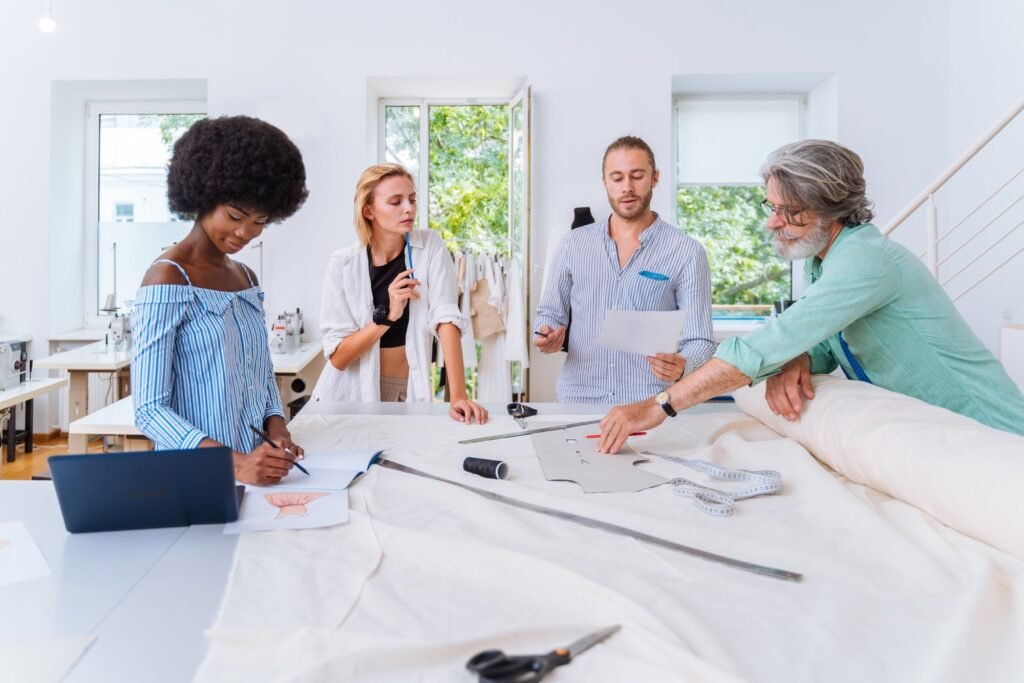
How Designer Collaborations Empower Garment Factories: Beyond OEM/ODM to Creative Excellence
In the highly competitive global apparel industry, garment factories are no longer merely production bases. To stand out in a market saturated with homogeneous products, factories must build a bridge between manufacturing precision and creative innovation. For our factory, this bridge is constructed through strategic cooperation with two designers who have distinct styles and respective strengths—one is a Top 10 Chinese Fashion Designer, and the other possesses a unique style. Combined with our dual capabilities in OEM (Original Equipment Manufacturing) and ODM (Original Design Manufacturing), these cooperative relationships have redefined our position in the industry, transforming us from a pure manufacturer into a value-driven creative partner. This blog explores how designer collaborations enhance a factory’s potential, the synergy between the two design forces, and why integrating OEM/ODM capabilities with creative expertise is crucial for long-term success.
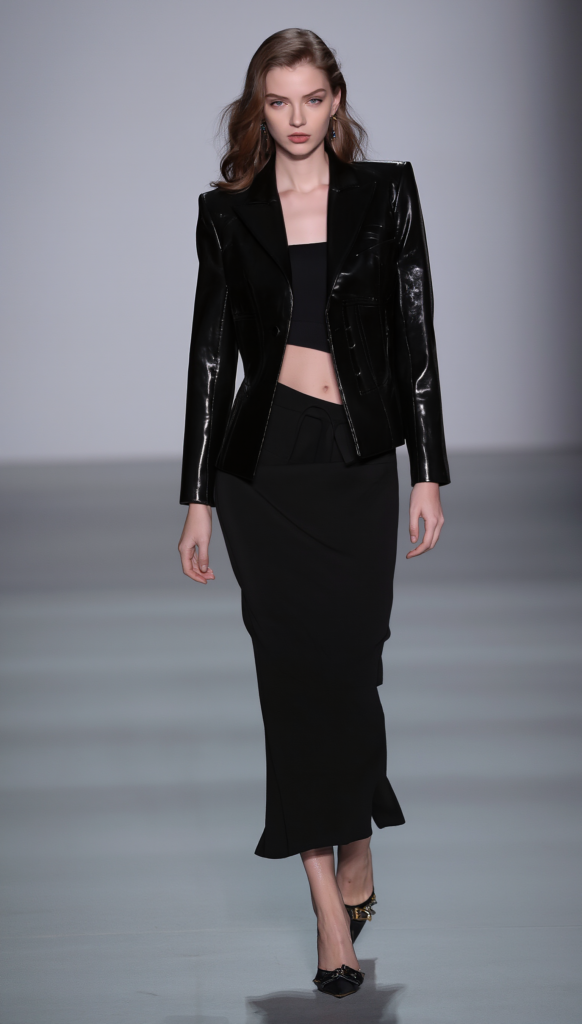
The Strategic Value of Designer Collaborations for Garment Factories
Garment factories often face the dilemma of being confined to “behind-the-scenes” production, with narrow profit margins and limited brand recognition. Designer collaborations break this limitation by infusing the production process with creative direction, market insights, and brand storytelling. Unlike independent manufacturing, cooperating with renowned designers enables each clothing collection to integrate technical craftsmanship and artistic vision, creating works that deeply resonate with consumers more than mass-produced products.
For factories, these collaborations are not only about creating aesthetically pleasing clothing but also about building competitive advantages. Designers act as a bridge to market trends, helping factories anticipate consumer needs rather than react passively. They also bring credibility: cooperating with renowned designers can enhance a factory’s reputation and attract potential clients seeking high-quality, trend-forward products. In addition, the iterative process of collaborating with designers hones a factory’s flexibility and adaptability—skills that are essential in an industry where trends change rapidly and customization demands are growing.
Our Dual Designer Collaboration Model: Balancing Prestige and Individuality
We have deliberately established cooperation with two complementary designers to build a creative ecosystem capable of meeting diverse market needs. This dual collaboration model ensures we can serve both mainstream brands pursuing established credibility and niche clients craving unique, boundary-pushing designs. The following sections delve into how each designer enhances our factory’s capabilities.
Collaborating with a Top 10 Chinese Fashion Designer: Prestige, Craftsmanship, and Market Adaptability
Our cooperation with a winner of the “Top 10 Chinese Fashion Designer” award—one of the most prestigious honors in China’s fashion industry—brings exceptional expertise in craftsmanship, cultural storytelling, and commercial viability. This designer’s works are widely acclaimed for integrating traditional Chinese aesthetics with modern silhouettes, a style that has gained global recognition and resonates with consumers both domestically and internationally.
For our factory, this collaboration offers three core advantages. First, it elevates technical standards: the designer’s meticulous pursuit of details—from fabric selection to sewing techniques—drives our production team to refine their craftsmanship, ensuring every garment meets the highest quality standards. Second, it enhances market adaptability: as a seasoned industry insider, the designer provides valuable insights into emerging trends in the Chinese and global markets, helping us adjust our OEM and ODM services to align with the real needs of brands and consumers. Third, it boosts brand credibility: cooperating with a top designer positions our factory as a partner capable of delivering high-end, culturally resonant collections, attracting luxury and mid-range brands looking to leverage China’s growing fashion influence.
This collaboration also enriches our ODM capabilities by providing a library of market-proven designs and design languages. Brands collaborating with us on ODM projects can leverage the designer’s aesthetic genes to ensure their collections have a competitive edge without sacrificing commercial appeal.
Collaborating with the Other Designer: Unique Creativity and Niche Appeal
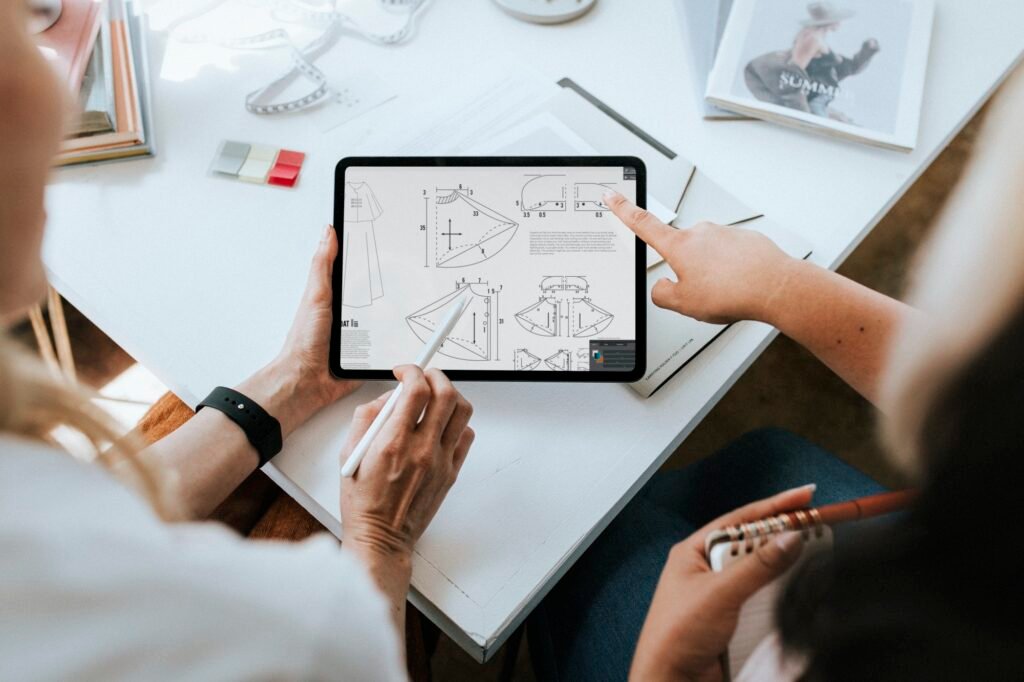
Complementing our collaboration with the Top 10 Chinese Fashion Designer is our cooperation with another designer. This designer has a unique style, and their works break traditional fashion norms, focusing on bold silhouettes, unexpected fabric combinations, and gender-neutral designs to cater to the growing consumer group pursuing individuality and self-expression.
This collaboration fills a key gap in our service system: the ability to create niche, trend-setting products that stand out in a crowded market. For our factory, cooperating with this designer has expanded our creative boundaries and technical diversity. We have learned to use non-traditional materials, adapt to experimental patterns, and produce small-batch collections with the same precision as large-scale OEM orders. This flexibility is highly attractive to emerging brands, influencers, and boutique labels that value uniqueness over mass recognition.
In addition, this designer’s loyal fan base and social media influence have opened up new opportunities for our factory. Collaborations on limited-edition collections have generated widespread attention, demonstrating our ability to turn bold creative visions into reality. For ODM clients, this means access to a trend-leading design perspective, helping them establish a unique position in their target market.
The Importance of OEM/ODM Capabilities—and How Designers Enhance Their Value
In today’s apparel industry, offering both OEM and ODM services is crucial for a factory’s diversified development and growth. OEM allows factories to cooperate with established brands, leveraging their existing designs and marketing capabilities to maintain stable production volume. On the other hand, ODM positions factories as creative partners, providing end-to-end solutions from design concepts to final production—securing higher profit margins and building long-term client relationships. However, without creative guidance from designers, OEM/ODM capabilities may stagnate, limiting a factory’s ability to innovate and adapt.
OEM Excellence: Designers as Guardians of Quality and Trends
OEM work requires strict adherence to brand design specifications, but designers play a key role in ensuring these specifications are both technically feasible and trend-aligned. For example, our Top 10 Chinese Fashion Designer acts as a quality control partner for OEM projects, reviewing designs to identify potential production challenges and proposing adjustments that preserve the brand’s vision while optimizing production efficiency. This collaboration reduces production errors, shortens lead times, and ensures the final product meets brand quality standards.
Meanwhile, our other designer brings a fresh perspective to OEM projects for niche brands. For instance, when cooperating with a streetwear brand on OEM production, the designer may suggest subtle adjustments to fabric combinations or silhouettes to enhance the brand’s edgy style—providing added value beyond mere manufacturing. This creative input transforms a transactional OEM relationship into a collaborative one, increasing client loyalty and repeat business.
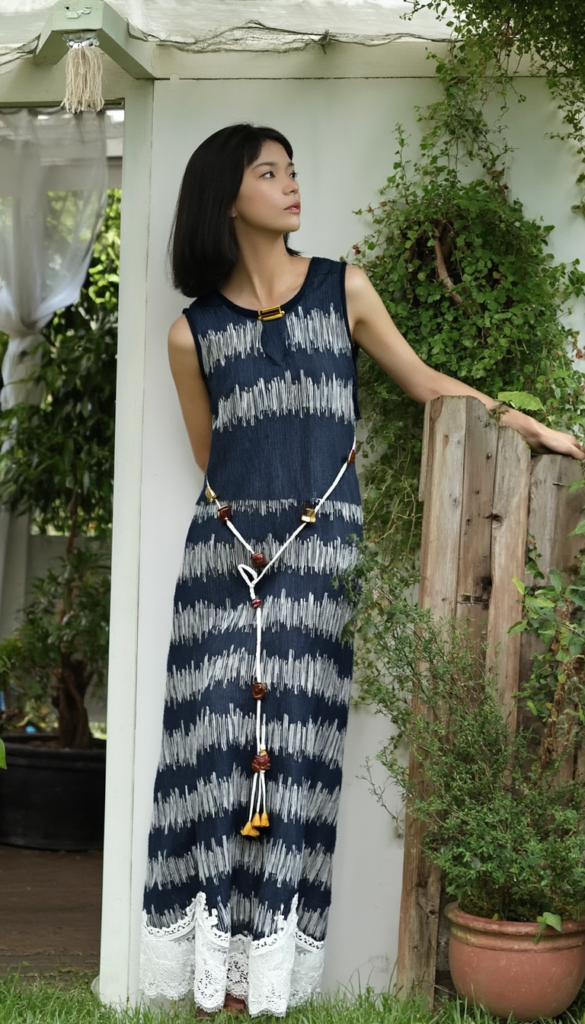
ODM Innovation: Designers as the Core of End-to-End Solutions
ODM is where designer collaborations truly shine, as it places creativity at the core of the production process. Our dual designer collaboration model offers ODM clients two distinct creative pathways: one focusing on commercially oriented, trend-forward designs (led by the Top 10 Chinese Fashion Designer) and the other on bold, niche aesthetics (led by the other designer). This flexibility enables us to serve a wide range of clients—from fast-fashion brands needing quick, trend-driven collections to luxury boutiques seeking exclusive, artisanal pieces.
Both designers also optimize the ODM process by bridging the gap between creativity and production. They work closely with our pattern-making and production teams to ensure designs are technically feasible, reducing costly revisions. For example, the Top 10 Chinese Fashion Designer’s expertise in fabric drape helps our team select materials that balance aesthetics and wearability, while the other designer’s experience with experimental patterns guides our production team in mastering new techniques.
In addition, designers add value to ODM projects by infusing them with storytelling. In an era where consumers care about the “story” behind a product, a well-designed collection with a clear narrative—whether rooted in cultural heritage or avant-garde expression—is more likely to succeed. Our designers help ODM clients craft this narrative, transforming a collection of garments into a brand story that resonates with consumers.
The Future of Garment Factories: Creativity and Manufacturing Are Inseparable
The era when garment factories could thrive solely on manufacturing expertise is gone. Today’s market requires factories to be creative partners, not just producers. Our collaboration with two designers of distinct styles—one bringing prestige and commercial insight, the other bringing unique creativity and niche appeal—has transformed our factory into a dynamic hub where creativity and craftsmanship coexist.
By integrating these design collaborations with our OEM and ODM capabilities, we have created a unique value proposition: we can produce high-quality mass-market collections for established brands, create exclusive trend-setting products for niche clients, and provide end-to-end ODM solutions that combine creativity and technical excellence. This diversity has not only increased our profit margins but also built a reputation as a factory that can turn any creative vision into reality.
For other garment factories looking to enhance their business, the lesson is clear: designer collaborations are not a luxury, but a necessity. By cooperating with designers who align with the factory’s strengths and target market, and integrating their expertise with OEM/ODM capabilities, factories can break free from the limitations of commodity production and become valuable creative partners in the global apparel ecosystem. After all, in the fashion industry, the most successful collaborations are the combination of art and industry—and that is exactly the model we have built.