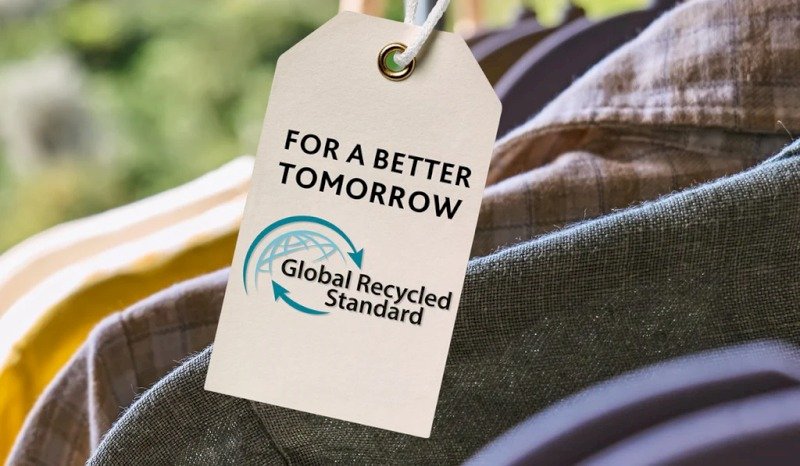
First and foremost, sustainability rules now dominate EU textile market regulations in 2026.
Many European dress brands plan eco-friendly collections to attract eco-conscious shoppers.
Most fabric suppliers advertise “recycled material” without reliable third-party proof.
For this reason, brands face greenwashing accusations and customs hold-ups without valid certificates.
This guide fully explains GRS recycled fabric, its standards, and key advantages for your dress line.
What Does GRS Stand For?
To begin with, GRS means Global Recycled Standard, created by Textile Exchange.
It acts as an international audit system for all textiles made from waste raw materials.
Unlike vague eco-labels, GRS tracks every material link from waste to finished dress fabric.
Three strict audit pillars separate GRS from simple recycled fabric claims.
Each production workshop along the supply chain must pass independent annual inspections.
1. Verified Recycled Content Threshold
First, a fabric needs at least 20% recycled fiber to gain basic GRS qualification.
Brands that want to print the official GRS logo need 50% or higher recycled composition.
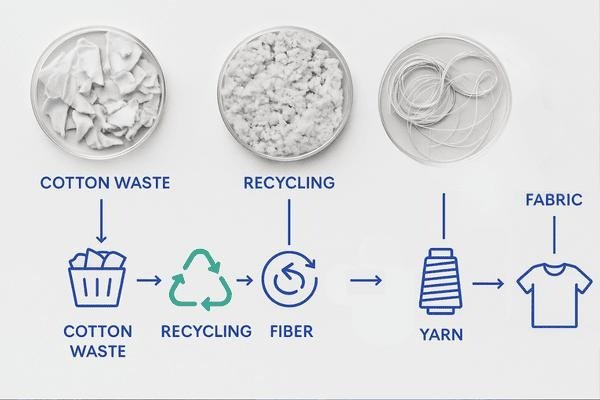
Auditors trace waste sources, such as plastic bottles or leftover cotton cuttings.
Fake recycled fabrics cannot provide complete transaction certificates for bulk orders.
This traceability protects your brand from misleading marketing fines in EU countries.
2. Strict Chemical Control Rules
Next, GRS limits all toxic dyes and additives used during fabric weaving and dyeing.
Prohibited substances match the same safety list as OEKO-TEX for European consumer goods.
Factories must record all water waste treatment data for inspector review.
Cheap uncertified recycled fabrics often carry harmful chemical residues.
These unsafe textiles easily trigger mass customer returns across Germany, France and Cyprus.
3. Social Responsibility & Environmental Audits
Furthermore, GRS also monitors labor conditions inside every cooperating factory.
Auditors check working hours, salary payments and safe production environments.
Waste water and energy consumption records form another core scoring item.
Many small Chinese fabric workshops skip these audits to cut production costs.
EU large retail partners only accept suppliers holding full GRS social audit reports.
Common Types of GRS Recycled Fabric For Dresses
Moving on, four fabric types are widely used in European women’s dress ODM orders.
- Recycled Polyester (rPET): Made from waste plastic bottles, lightweight for summer casual dresses.
- Recycled Cotton: Reprocessed from garment factory cutting scraps, soft for minimalist daily wear.
- Recycled Nylon: Smooth and windproof, perfect for outer blazers and sport dress sets.
- Recycled Blended Fabric: Mixed recycled fibers for balanced drape and cost performance. All four materials support full custom color, weight and lining development at our factory.
Core Benefits of Sourcing GRS Recycled Fabric For EU Brands
In addition, choosing GRS recycled fabric solves three major pain points for European dress labels.
Pass EU Green Claims Directive Compliance
New EU textile laws ban unproven environmental slogans starting 2026.
Complete GRS audit documents serve as legal proof for all recycled material marketing copy.
Customs teams will not detain your dress shipments with full GRS transaction certificates.
This saves you unexpected delays and extra storage fees at European ports.
Meet Large Retailer Sourcing Standards
Major EU chains including Zara, H&M and Decathlon list GRS as a basic supplier threshold.
Small independent startups also gain brand differentiation with certified eco collections.
Shoppers pay 15% to 30% higher average prices for verified sustainable dresses.
GRS tags printed on hangtags directly boost your product conversion rates online.
Cut Long-Term Brand Risks
Without GRS certification, third-party media may expose your “fake eco” marketing.
Such scandals damage brand reputation and lead to permanent cooperation losses with retailers.
Our factory stores complete GRS audit records for every batch of recycled dress fabric.
We provide matching transaction certificates alongside each mass production order.
How Seaflower Garment Supports Your GRS Dress Collection
Notably, Seaflower Garment holds full GRS, BSCI and OEKO-TEX triple certifications.
We offer customized GRS recycled fabric development for all dress silhouettes.
Our design team adjusts fabric weight, drape and color to match Northern European aesthetic trends.
We accept small MOQ starting at 50 pieces for sustainable trial collections.
Our 7-day fast sampling service lets you launch eco lines ahead of seasonal competitors.
Final Sourcing Tip
If you plan to launch sustainable dress lines this year, always ask suppliers for valid GRS TC documents.
Avoid low-cost recycled fabric without full chain-of-custody audit records.
Contact our team to receive free GRS fabric swatches and customized dress ODM quotations.
We help you build fully certified eco collections that fit every European market standard.